Storage Onion Explained: Types, Uses & Storage Tips
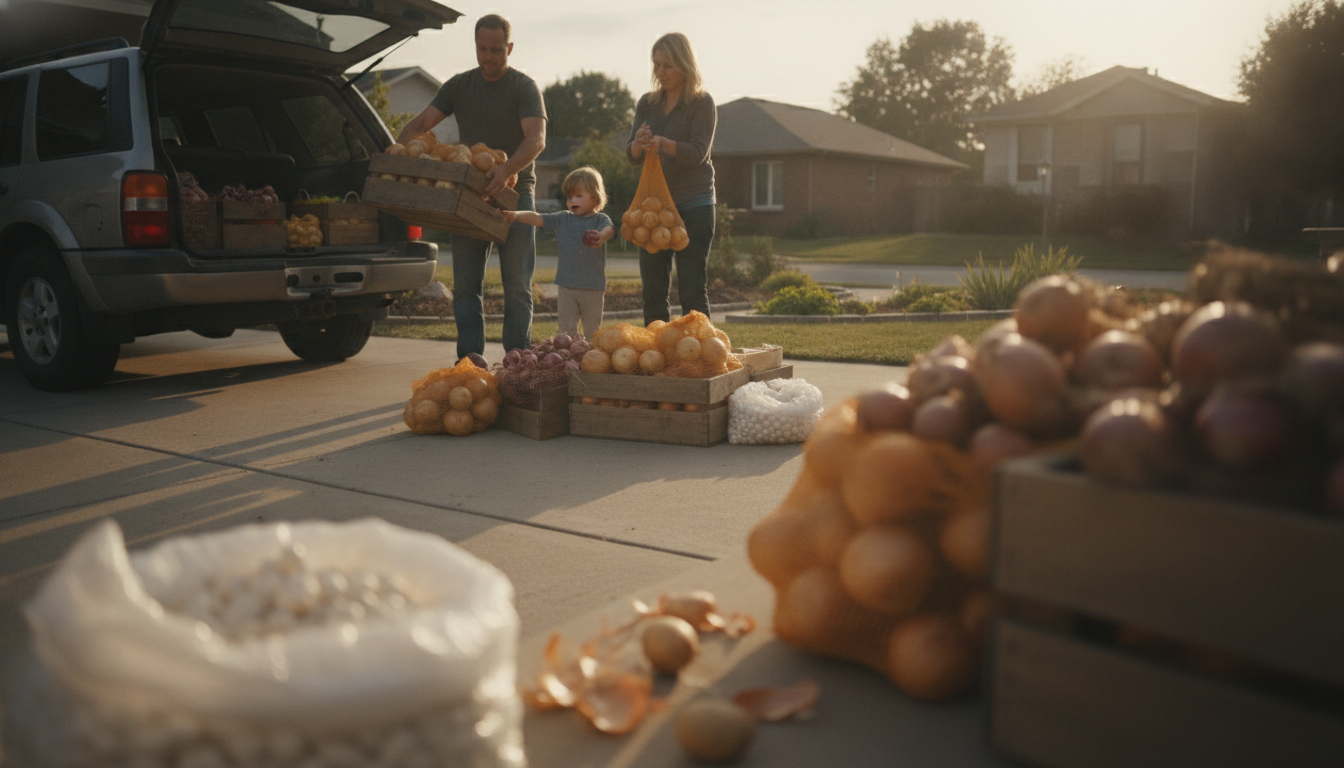
What is a storage onion?
A storage onion is an onion variety bred and harvested for long keeping quality. Compared with “sweet” onions, storage onions have firmer flesh, a thicker papery skin, and a higher sulfur content, which helps them last for weeks or even months when cured and stored properly. They’re the dependable all-purpose onions that stay in the pantry and show up in everyday cooking—sautéing, roasting, soups, stews, and sauces.
How storage onions are different from sweet onions
Sweet onions (like Vidalia-style types) contain more water and fewer sulfur compounds, which makes them milder—but also more perishable. Storage onions, on the other hand, are built for longevity: lower moisture, tighter layers, and a more pungent flavor that mellows as they cook. If an onion makes your eyes water more, it’s often closer to a storage onion profile.
Common types of storage onions
Many yellow onions sold year-round are storage onions, and they’re usually the best “default” choice for cooking. Red onions can also be storage types and may keep well, though they’re often used fresh too. White onions vary; some store well, while others are better used sooner. When shopping, look for onions that feel heavy for their size, with dry, crackly skins and no soft spots.
How to store a storage onion at home
For the longest shelf life, keep storage onions in a cool, dry, dark, well-ventilated place. Avoid sealing them in plastic, which traps moisture and speeds spoilage. Keep them away from potatoes, since each releases gases and moisture that can shorten the other’s life. Once cut, wrap and refrigerate the remaining piece and use it within a few days.
For more details on choosing, curing, and storing onions, visit the main guide on storage onions.
FAQ
How long do storage onions last?
Whole storage onions can last several weeks to a few months, depending on the variety and conditions. They keep best in a cool, dry, dark spot with airflow and should be used promptly once they show soft spots or sprouting.











Leave a comment