Glass vs Plastic Spice Jars: Which Keeps Spices Fresher?
Is it better to store spices in glass or plastic jars?
For most home kitchens, glass jars are the better choice for storing spices because they’re less porous, less likely to hold odors, and more stable over time. Plastic can work in a pinch, but it’s easier for plastic to absorb strong aromas (think cumin, garlic powder, or curry blends) and transfer them to the next refill.
Why glass usually wins
Spices lose flavor fastest when exposed to heat, light, air, and moisture. A good container helps control the last two. Glass is non-reactive and creates a reliable barrier that won’t pick up oily residues as easily. It also stays clearer and “truer” over time—plastic can haze, scratch, and trap tiny amounts of spice oils that cling to the surface.
When plastic jars make sense
Plastic is lighter, less breakable, and often cheaper, which can be practical for high-use spices or for households with kids. If you choose plastic, look for food-grade, BPA-free containers with tight-fitting lids. Keep them away from heat sources and avoid storing very pungent spices in the same jar you plan to reuse for milder seasonings later.
Key tip: the lid matters as much as the jar
Whether you pick glass or plastic, the best upgrade is a truly airtight lid. Loose shaker tops and cracked caps let humidity in, which can clump powders and dull aromas. If you cook over steaming pots, avoid shaking spices directly over the heat; steam can enter the jar and shorten shelf life.
Light protection and storage spot
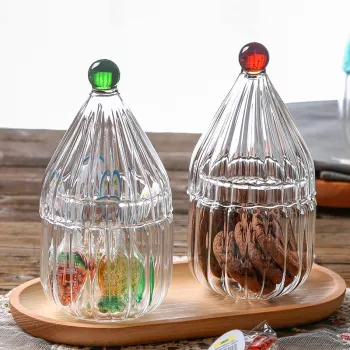
Clear glass looks great, but it doesn’t block light. If your spices sit on an open counter, consider amber glass or keep clear jars in a cabinet or drawer. A cool, dark spot beats a sunny rack near the stove every time.
For a deeper comparison (including freshness and organization tips), visit the full guide on storing spices in glass vs. plastic jars.
FAQ
How long do spices stay fresh after opening?
Whole spices often stay flavorful for 2–4 years, while ground spices are best within about 1–2 years. The exact timeline depends on how airtight the container is and how much heat, light, and humidity the spice is exposed to.










Leave a comment