Waffle Knit Stitch: Easy 4-Row Pattern + Tips
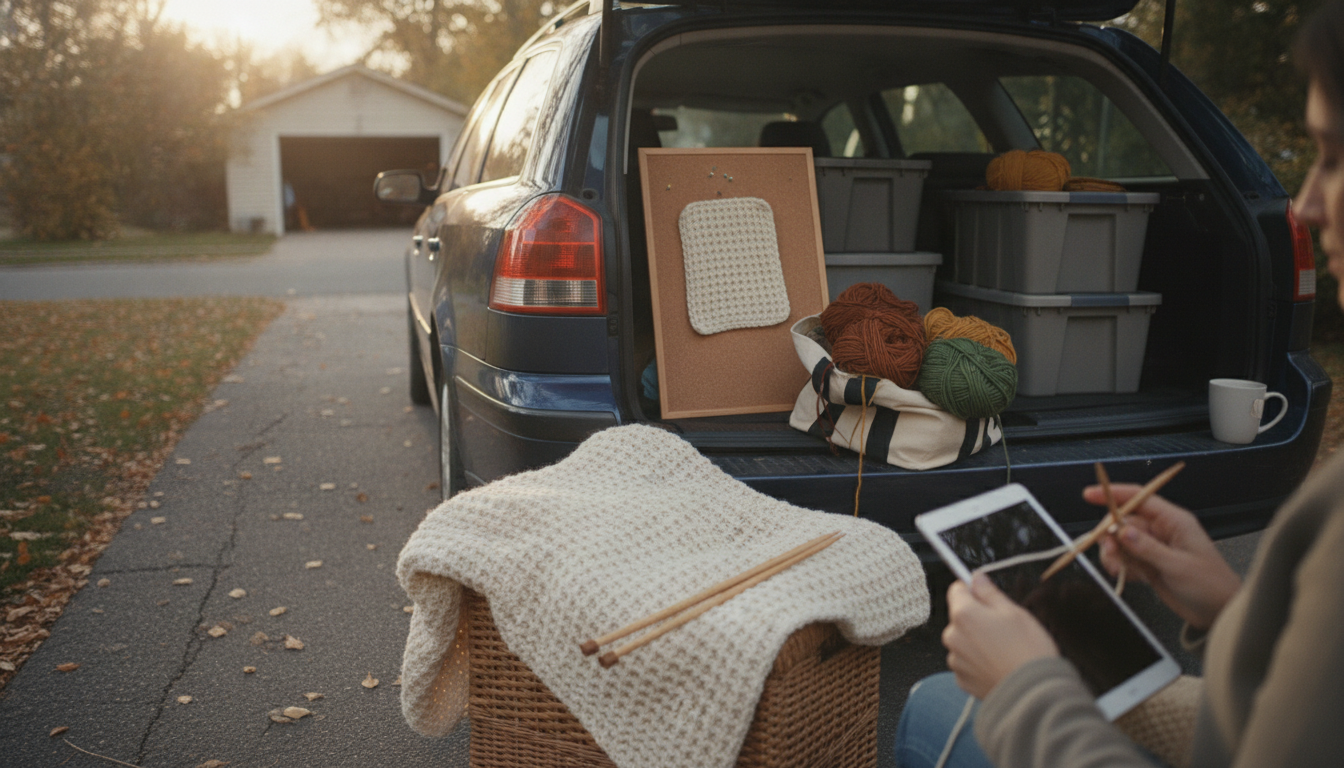
How to do waffle knit?
Waffle knit (also called the waffle stitch) creates a textured, grid-like fabric that looks like little squares. It’s popular for cozy blankets, dishcloths, scarves, and sweater panels because it’s thick, warm, and has great visual depth. The simplest way to get the “waffle” effect is by combining knit and purl stitches so the purl bumps sink back while knit stitches pop forward.
Basic waffle knit stitch (knitting flat)
Start by choosing a yarn and needles that show texture well—smooth worsted-weight yarn is a friendly place to begin. Cast on a multiple of 3 stitches, then add 2 edge stitches (for example, 20 stitches total works nicely).
Row 1 (right side): Knit 1, then repeat *K1, P2* across until 1 stitch remains; knit 1.
Row 2 (wrong side): Purl 1, then repeat *P1, K2* across until 1 stitch remains; purl 1.
Row 3: Knit 1, then repeat *P2, K1* across until 1 stitch remains; knit 1.
Row 4: Purl 1, then repeat *K2, P1* across until 1 stitch remains; purl 1.
Repeat Rows 1–4 for the length you want. If the edges curl or look uneven, add a simple border (like garter stitch: knit every stitch for the first and last 3–5 stitches of each row) to frame the texture.
Helpful tips for neat “waffles”
Keep your tension steady—waffle stitch shows uneven stitches quickly. Use stitch markers to track repeats, and consider blocking at the end to open up the grid and even out the fabric. Also note that waffle knit uses more yarn than stockinette because of the raised texture.
For a longer walkthrough and more variations, visit https://rareoffersarena.shop/how-to-do-waffle-knit/.
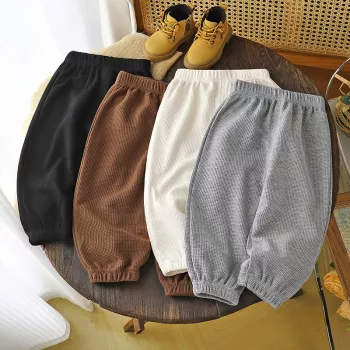
For Waffle Knit Stitch: Easy 4-Row Pattern + Tips, the best answer depends on fit, material, care instructions, and how the product will be used day to day.
FAQ
Does waffle stitch use more yarn than regular knitting?
Yes. The raised texture and frequent stitch changes make the fabric thicker, so it typically uses more yarn than stockinette or simple ribbing.









Leave a comment