7-Day or 30-Day Healthy Meal Plan + Recipe eBook
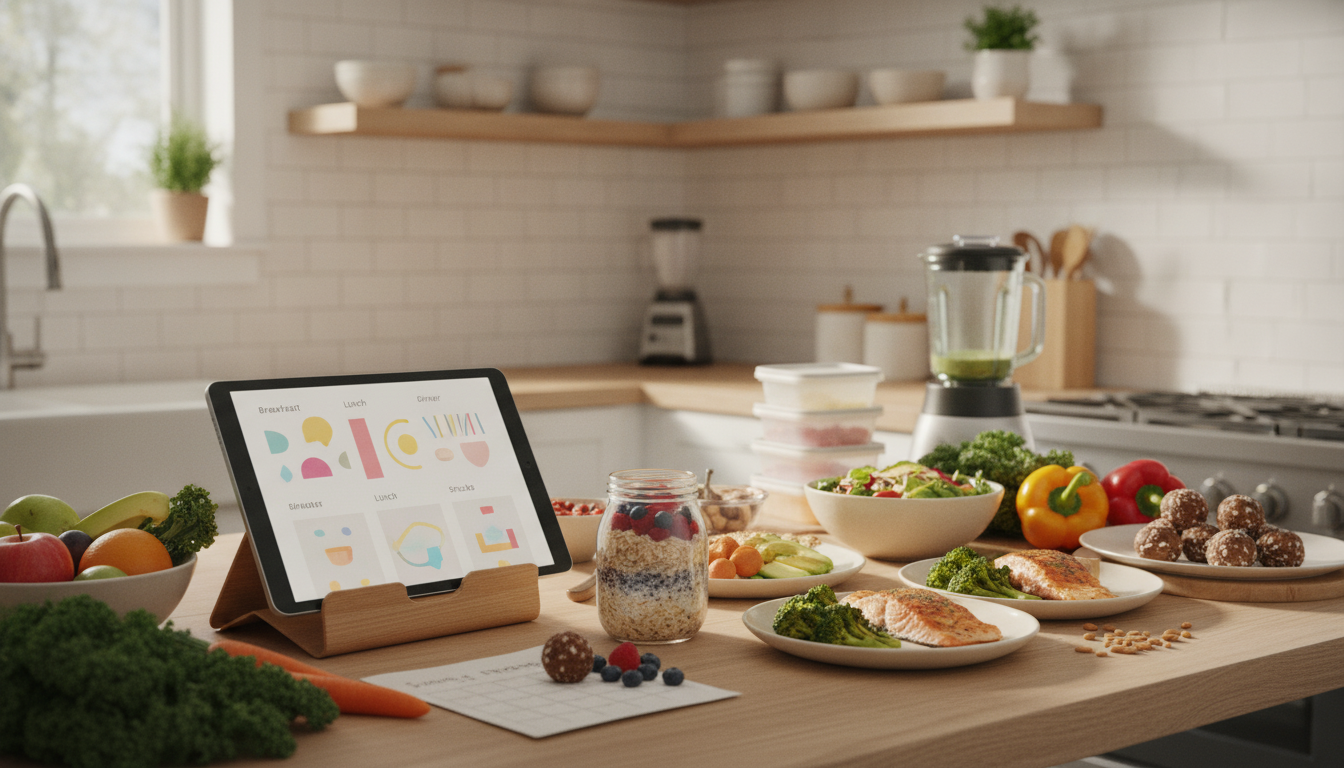
Healthy Meal Plan & Recipe Collection: 7 or 30 Days of Balanced Breakfasts, Lunches, Dinners, and Snacks
A structured meal plan can remove daily decision fatigue while supporting steady energy, better portions, and more consistent nutrition. A good plan isn’t about perfection—it’s about making the “default choice” easier on busy weekdays and flexible enough for real life. Below is a practical way to think about balanced meals, whether you’re setting up a one-week reset or building a full month of repeatable routines.
What a balanced plan looks like day to day
Most people do best with a consistent pattern: breakfast, lunch, dinner, and 1–2 snacks spaced to match hunger, work demands, and training schedules. The goal is to build meals around a few reliable components so you can mix and match without overthinking.
A simple framework is: a core protein, two vegetables (or one vegetable plus one fruit), one smart carb, and one flavor booster (herbs, spices, citrus, salsa, vinegar, or a yogurt-based sauce). This keeps meals satisfying and interesting—even when you repeat the same base foods.
If you prefer portion guidance without strict counting, a useful visual is similar to USDA MyPlate and the Healthy Eating Plate: fill about half your plate with non-starchy vegetables, one quarter with protein, and one quarter with whole grains or starchy vegetables. Adjust up or down based on your activity level and goals.
Also, don’t overlook hydration and sodium—especially when increasing fiber or exercising. Adequate fluids and electrolytes can reduce fatigue and “mystery cravings” that are really just dehydration.
| Meal component | Easy choices | Why it helps |
|---|---|---|
| Protein | Eggs, Greek yogurt, chicken, tofu, beans, fish | Supports fullness and lean mass |
| Fiber carbs | Oats, brown rice, quinoa, whole-grain bread, fruit | Improves energy stability and digestion |
| Healthy fats | Olive oil, avocado, nuts, seeds | Supports hormones and nutrient absorption |
| Colorful produce | Leafy greens, berries, peppers, cruciferous veg | Vitamins, minerals, antioxidants |
| Flavor boosters | Garlic, herbs, vinegar, salsa, lemon, spices | Makes repetition easier to stick with |
Choose 7 days or 30 days: which timeline fits best
A one-week plan works well for busy or travel-heavy weeks, testing new foods, or creating a quick reset after holidays. It’s short enough to feel doable and long enough to reveal what’s missing (for example: more protein at breakfast, or more planned snacks to prevent afternoon vending-machine runs).
A one-month plan is better for building routine, reducing “what’s for dinner?” stress, and simplifying long-term tracking. It also helps you see patterns: which breakfasts keep you full, which lunches reheat well, and which dinners create the best leftovers.
A useful decision rule: if consistency is the main challenge, start with 7 days and repeat it twice. If variety is the main challenge, use a 30-day rotation and build around templates (oats vs. eggs vs. smoothies for breakfast; bowls vs. salads vs. wraps for lunch; fish vs. poultry vs. legumes for dinner). For budget-friendly planning, repeat 2–3 core dinners each week and change sides or sauces to avoid waste.
Meal templates that stay healthy and realistic
Templates turn “meal planning” into a quick assembly process. You can keep the same structure and swap ingredients based on what’s in season, what’s on sale, and what you actually enjoy eating.
Breakfast templates
Overnight oats with fruit and nuts; a veggie omelet with whole-grain toast; Greek yogurt parfait with berries; or a smoothie built on protein plus greens and frozen fruit.
Lunch templates
Grain bowls with lean protein and roasted vegetables; hearty salads with beans or chicken; soup plus a side salad; or wraps with crunchy veggies and a yogurt-based sauce.
Dinner templates
Sheet-pan protein and vegetables; stir-fry with brown rice; chili or curry with beans/lentils; or salmon with quinoa and greens.
Snack templates
Prep once, eat well all week
Food safety matters when you’re cooking ahead. Cool cooked foods quickly, refrigerate within two hours, and reheat leftovers until steaming hot. The CDC’s guidance on keeping food safe is a helpful reference for fridge and reheating basics.
Adjustments for common goals and dietary needs
A ready-to-use plan with full recipes
If you want a done-for-you schedule (instead of starting from scratch), the Healthy Meal Plan & Recipe Collection | One-Week or One-Month Healthy Meal Plan with Recipes for Breakfast, Lunch, Dinner & Snacks | Balanced Nutrition eBook provides a structured one-week or one-month plan with complete recipes for breakfast, lunch, dinner, and snacks.
| Format | Includes | Timeline options | Price |
|---|---|---|---|
| eBook | Breakfast, lunch, dinner, snacks + meal plan structure | One-week or one-month | 19.99 USD |
Make the plan stick: consistency tactics
If planning is the real bottleneck, pairing a meal plan with a focus system can help. Finally Focused: The Anti-Procrastination Workbook – Productivity Ebook & Focus-Building Guide with Time Management Tools can support time-blocking, follow-through, and the routines that make meal prep feel automatic.
FAQ
Is a one-week plan enough to see benefits?
Yes—many people notice immediate wins like fewer takeout meals, steadier energy, and better portions within a week. If it works well, repeat the same week once or twice, or move to a month to build a longer-term routine.
Can the meals be adjusted for vegetarian or gluten-free needs?
Most balanced plans are flexible: swap in beans, lentils, tofu, or eggs for meat, and use rice, quinoa, potatoes, or gluten-free oats instead of wheat. Check labels on sauces and seasonings to avoid hidden gluten.
How much meal prep time is realistic for a full week?
About 60–120 minutes once or twice weekly is realistic for many households. Batch-cook a protein, vegetables, and a grain, then assemble meals in 10 minutes using prepped components.












Leave a comment