4-in-1 Anxiety Relief Bundle: Calm Plan in Minutes
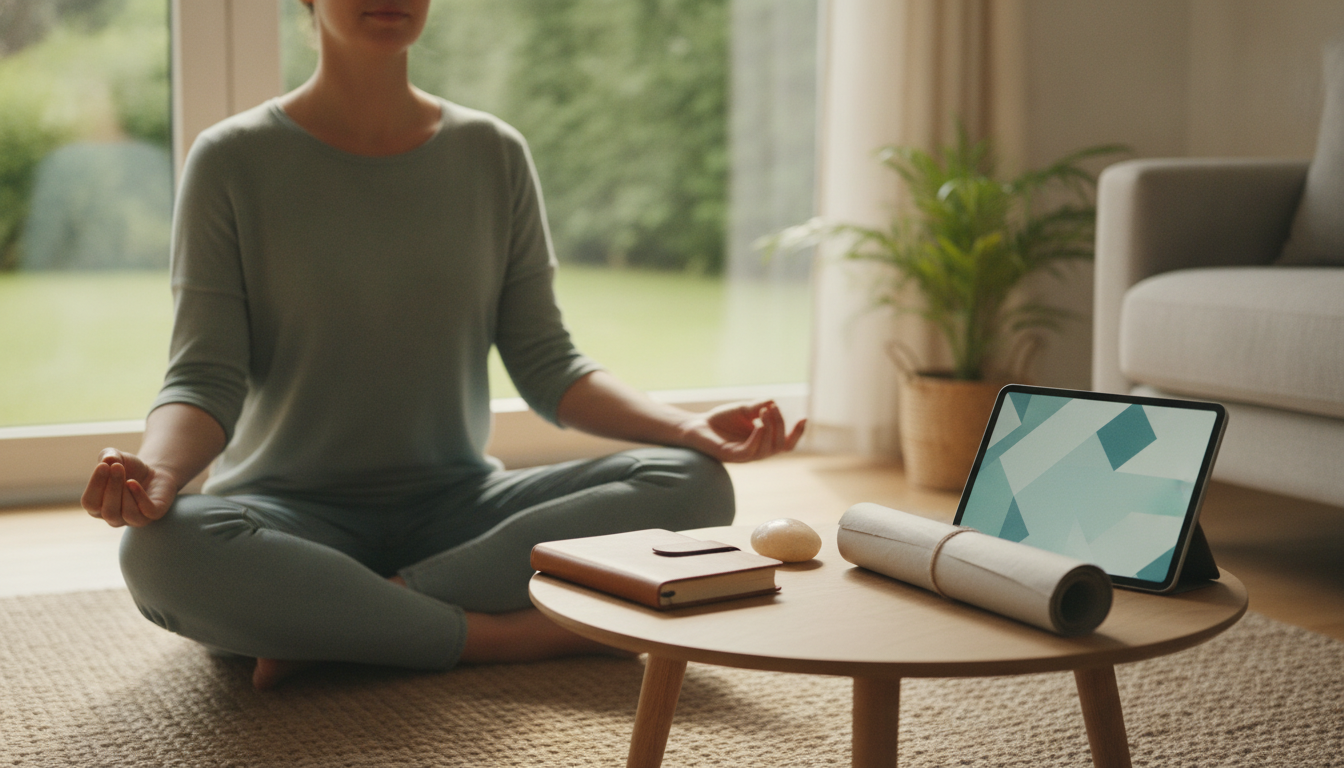
Calm doesn’t have to be complicated
Feeling anxious can turn simple tasks into heavy decisions. The Anxiety Relief Bundle: A Path to Calm (4-in-1 Bundle) is designed to make relief practices easier to start and easier to repeat—especially on days when motivation is low and overwhelm is high. It brings four supportive pieces into one routine: guided mindfulness exercises, positive thinking prompts, a printable checklist, and a course outline that organizes progress into a steady, repeatable “calm plan.”
Self-guided tools can be a meaningful part of daily anxiety management, and trusted health sources note that anxiety disorders are common and treatable with the right support and strategies. For an overview of symptoms and care options, see the National Institute of Mental Health (NIMH) and the American Psychological Association (APA).
What’s inside the 4-in-1 bundle
Mindfulness exercises
Short, repeatable practices help settle the body and reduce mental spirals when stress rises. Because they’re designed to be done quickly, they’re easier to return to—especially during busy weeks.
Positive thinking tools (without forced positivity)
Structured prompts support reframing and more balanced self-talk without pretending everything is fine. The goal is realism: less catastrophic, more accurate, and more workable.
Printable checklist
A simple way to track daily actions so helpful routines don’t vanish on the busiest days. When anxiety spikes, it removes the friction of deciding what to do next.
Course outline
A step-by-step learning path that turns scattered techniques into a coherent sequence. Instead of hopping from tip to tip, it helps build skills in a logical order.
Digital-friendly format
Works well for printing, saving to a device, or pairing with a journal for notes. Many people keep a printed copy in a planner and a digital copy on their phone for quick access.
How the pieces work together (and why bundles help with consistency)
Anxiety often hits in two places at once: the body (tight chest, racing heart, restlessness) and the mind (worry loops, “what if” thinking, harsh self-talk). The bundle is built to address both—then make follow-through simpler.
- Mindfulness reduces intensity: calming physical symptoms can make thoughts feel more manageable instead of overpowering.
- Positive thinking restores perspective: prompts encourage noticing distortions and replacing them with more accurate statements.
- Checklists reduce friction: a clear next step is often more helpful than a perfect plan during anxious moments.
- Course structure supports progress: learn → practice → review → adjust creates a realistic feedback loop.
- Small steps beat perfect plans: brief daily sessions tend to stick better than occasional long sessions.
When anxiety overlaps with procrastination, it can help to pair calming tools with a practical focus system. Finally Focused: The Anti-Procrastination Workbook is a useful companion for turning “I can’t start” into a simple next action—especially after a quick mindfulness reset.
A simple daily routine using the bundle (morning, midday, evening)
The most sustainable routine is the one that fits into real life. This three-part rhythm keeps the sessions short and gives you multiple chances to reset before stress stacks up.
| Time of day | What to use | Goal | Typical time |
|---|---|---|---|
| Morning | Mindfulness exercise | Lower baseline stress and improve focus | 5–10 min |
| Midday | Printable checklist | Interrupt spirals and re-center | 2–5 min |
| Evening | Positive thinking prompts + course outline review | Reframe, learn patterns, plan next step | 10–15 min |
Use a “minimum version” on hard days
On low-energy days, do one short mindfulness exercise and check off one checklist item. Consistency builds trust with yourself, and that trust lowers future resistance.
Build an anchor habit
Attach your practice to a reliable cue: after brushing teeth, during a lunch break, or right before bed. The cue does the remembering for you.
Mindfulness exercises: practical ways to calm the body fast
- Breath-focused practice: improves attention control by returning focus to one sensation when thoughts start sprinting.
- Body scan approach: helps you notice where anxiety “lives” physically and intentionally soften those areas.
- Five-senses grounding: brings attention back to the present moment when worry jumps ahead to worst-case scenarios.
- Short practice design: makes repetition easier, and repetition is often where the benefits compound.
A helpful sequence is: mindfulness first (to lower intensity), then checklist (to choose one next action), then continue your day. That order prevents you from trying to “think your way out” while your nervous system still feels activated.
Positive thinking that stays realistic (not forced positivity)
Positive thinking works best when it’s honest. Instead of ignoring problems, it aims to reduce distortions—so decisions are made from clarity rather than panic.
Printable checklist and course outline: turning tools into habits
Who this bundle fits best (and when to add extra support)
FAQ
How quickly can the bundle be used in a busy day?
A workable minimum is 5–10 minutes in the morning for a mindfulness exercise and 2–5 minutes midday for a checklist-based reset. The checklist reduces decision fatigue by telling you exactly what to do next when you’re pressed for time.
Does positive thinking mean ignoring real problems?
No—realistic reframing focuses on evidence-based statements, self-compassion, and a practical next step. It’s about reducing distortions (like catastrophizing) so you can respond to problems more effectively.
Is this bundle a replacement for therapy or medical care?
No. It’s a self-guided support tool that can complement professional care, but it isn’t a substitute for therapy, diagnosis, or medical treatment—especially if symptoms are severe or persistent. If you feel unsafe or in immediate danger, contact local emergency services right away.










Leave a comment