Do Magnetic Exercise Bikes Work? Benefits & Drawbacks
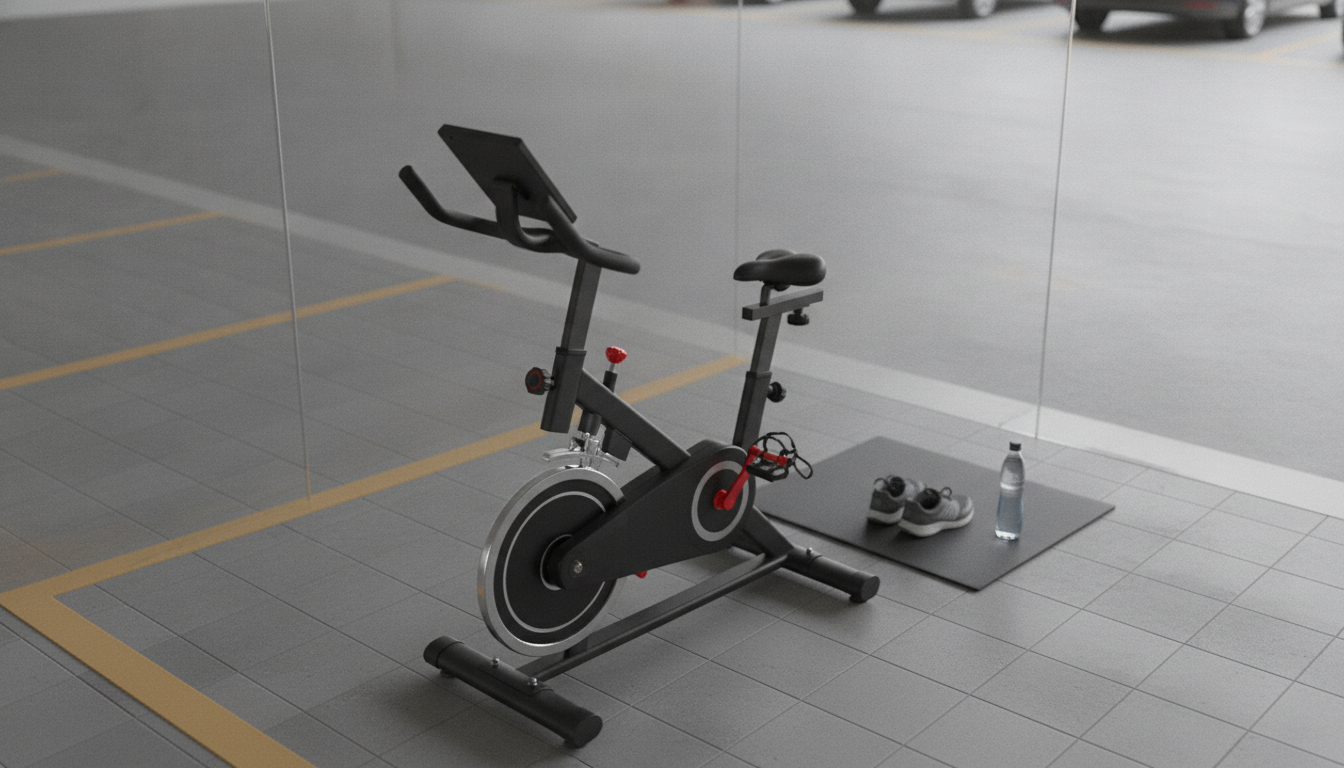
Do magnetic exercise bikes work?
Yes—magnetic exercise bikes work well for cardio conditioning, calorie burn, and building lower-body endurance. Instead of using physical contact (like a felt pad rubbing on a flywheel), they rely on magnets positioned near the flywheel to create resistance. As you increase the resistance setting, the magnetic field strengthens and the pedals feel harder to turn, letting you scale effort from easy recovery rides to challenging intervals.
How magnetic resistance feels in real workouts
Magnetic bikes are known for smooth, quiet pedaling with minimal vibration. That matters for consistency: a bike that’s comfortable and not disruptive is easier to use regularly. Resistance changes also tend to be more gradual and precise, which helps with structured workouts such as steady-state rides, tempo efforts, and interval training.
Do they help with weight loss and fitness?
They can, as long as workouts are frequent and progressive. Weight loss depends on overall calorie balance, but magnetic bikes support sustained heart-rate work without high impact on joints. For fitness, the combination of adjustable resistance and steady cadence improves cardiovascular health and leg stamina. Many riders also find it easier to maintain longer sessions because the motion is consistent and the resistance doesn’t “grab” or spike.
Are there downsides compared to other resistance types?
Some magnetic bikes have a lower maximum resistance than high-end air or friction models, so very strong riders may want a heavier flywheel or a bike designed for intense sprinting. That said, many modern magnetic bikes offer enough resistance for most home users, especially when paired with higher cadence, longer intervals, or hill-style progressions.
For a deeper breakdown of performance, resistance, and what to look for before buying, visit the full guide: https://rareoffersarena.shop/do-magnetic-exercise-bikes-work/.
FAQ
What is the difference between magnetic and friction resistance on an exercise bike?
Magnetic resistance uses magnets near the flywheel for smooth, quiet changes with less wear. Friction resistance uses physical contact, which can feel more “road-like” but may be noisier and require more maintenance over time.











Leave a comment