Croissant Shape Name: The Crescent Explained
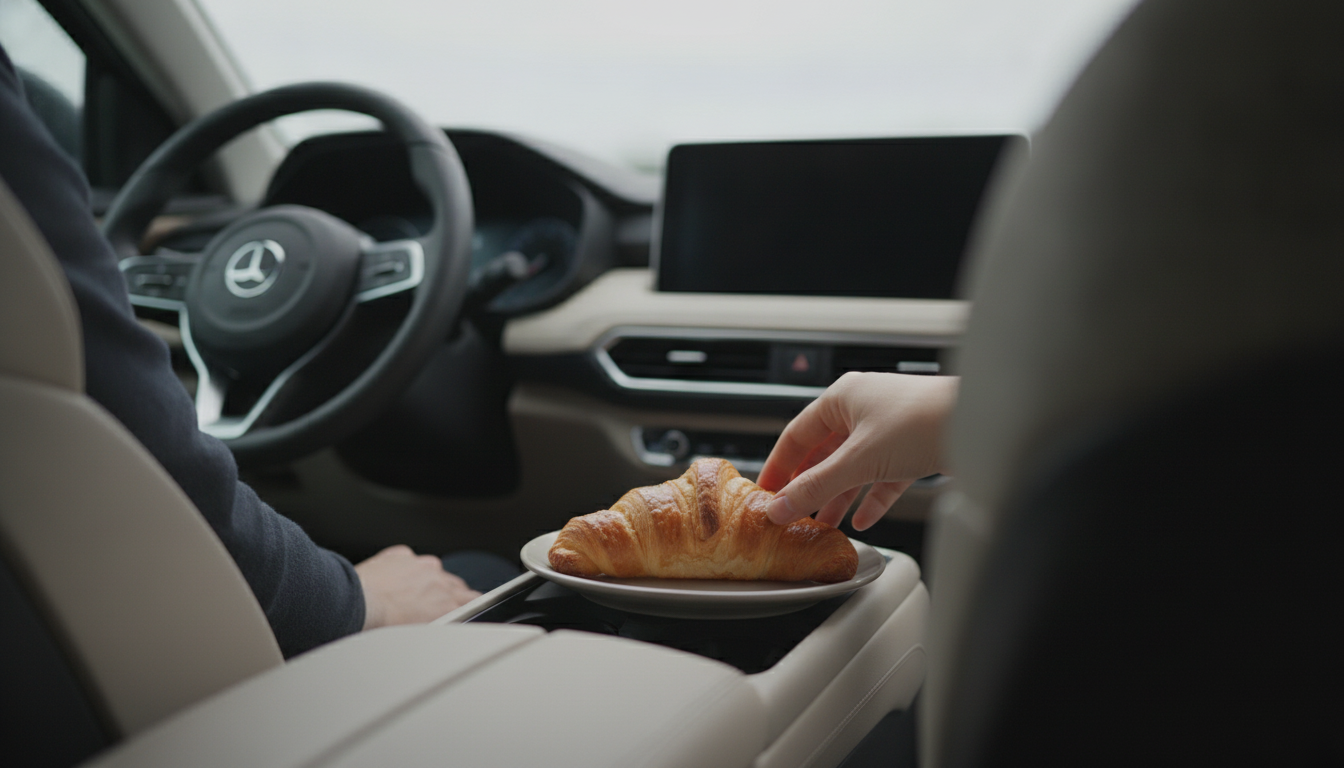
What is the shape of a croissant called?
The classic croissant shape is called a crescent. The word “croissant” is French for “crescent,” which matches the pastry’s curved, moon-like form when it’s rolled and bent into an arc before baking.
Why croissants are made in a crescent shape
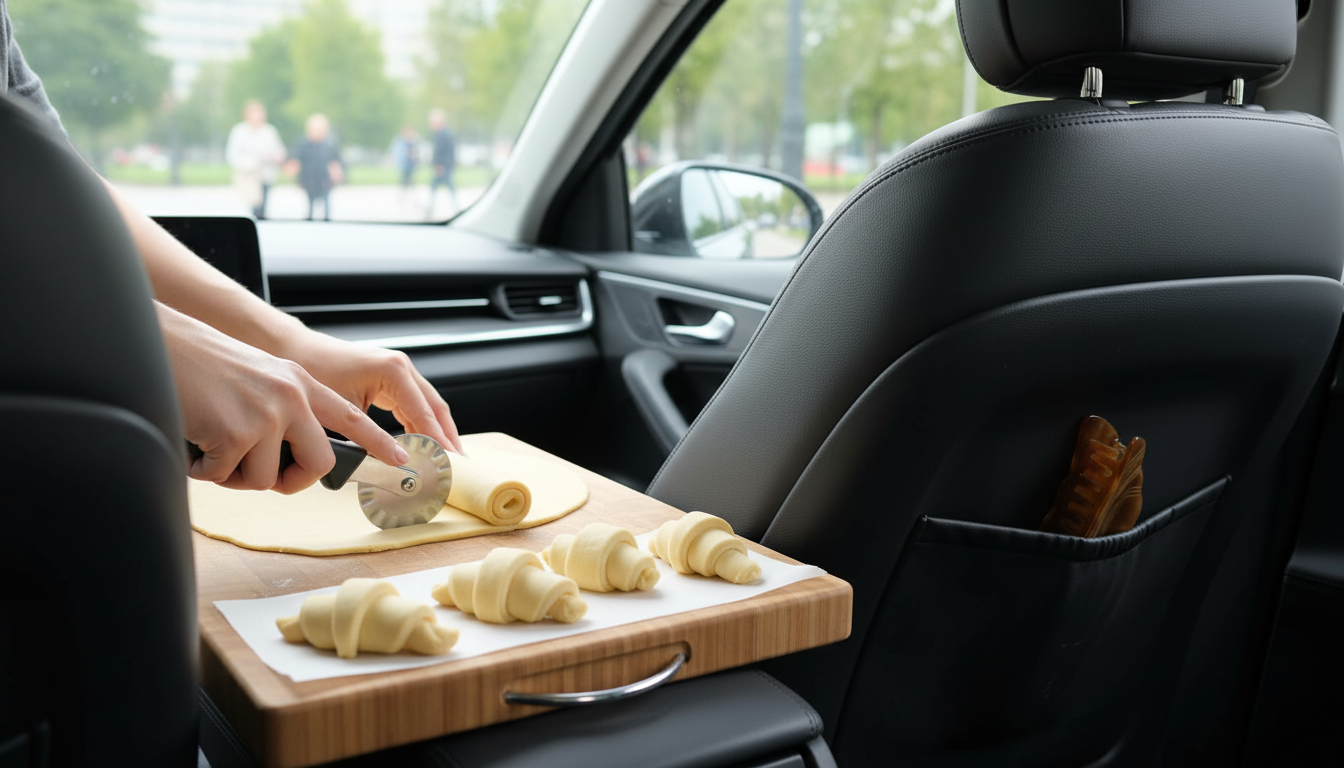
The crescent isn’t just decorative—it’s a practical, traditional form that comes from how the dough is cut and rolled. Croissant dough is typically portioned into triangles, then rolled from the wide end toward the tip. Once rolled, the ends are gently curved inward, creating that recognizable crescent silhouette.
The shape also influences how the pastry bakes. A curved croissant tends to have slightly thicker, layered “shoulders” near the center and more delicate ends, giving a nice contrast between soft interior layers and crisp, flaky edges.
Are all croissants crescent-shaped?
No. While the crescent is the most iconic, many bakeries also make straight croissants (often with a more uniform thickness). Some shops use shapes to signal fillings—straight for butter/plain, crescent for almond or filled varieties—though that convention varies by region and bakery.
For a deeper look at croissant forms and what influences their final look, visit the main article.
For Croissant Shape Name: The Crescent Explained, the best answer depends on fit, material, care instructions, and how the product will be used day to day.
Checking those details first helps avoid a poor match and keeps the choice practical after delivery.
For Croissant Shape Name: The Crescent Explained, the best answer depends on fit, material, care instructions, and how the product will be used day to day.
Checking those details first helps avoid a poor match and keeps the choice practical after delivery.
FAQ
What’s the difference between a crescent croissant and a straight croissant?
A crescent croissant is curved with tucked ends, while a straight croissant is left unbent for a uniform shape. Both can be made from the same laminated dough, but they may bake with slightly different thickness and texture at the ends.










Leave a comment